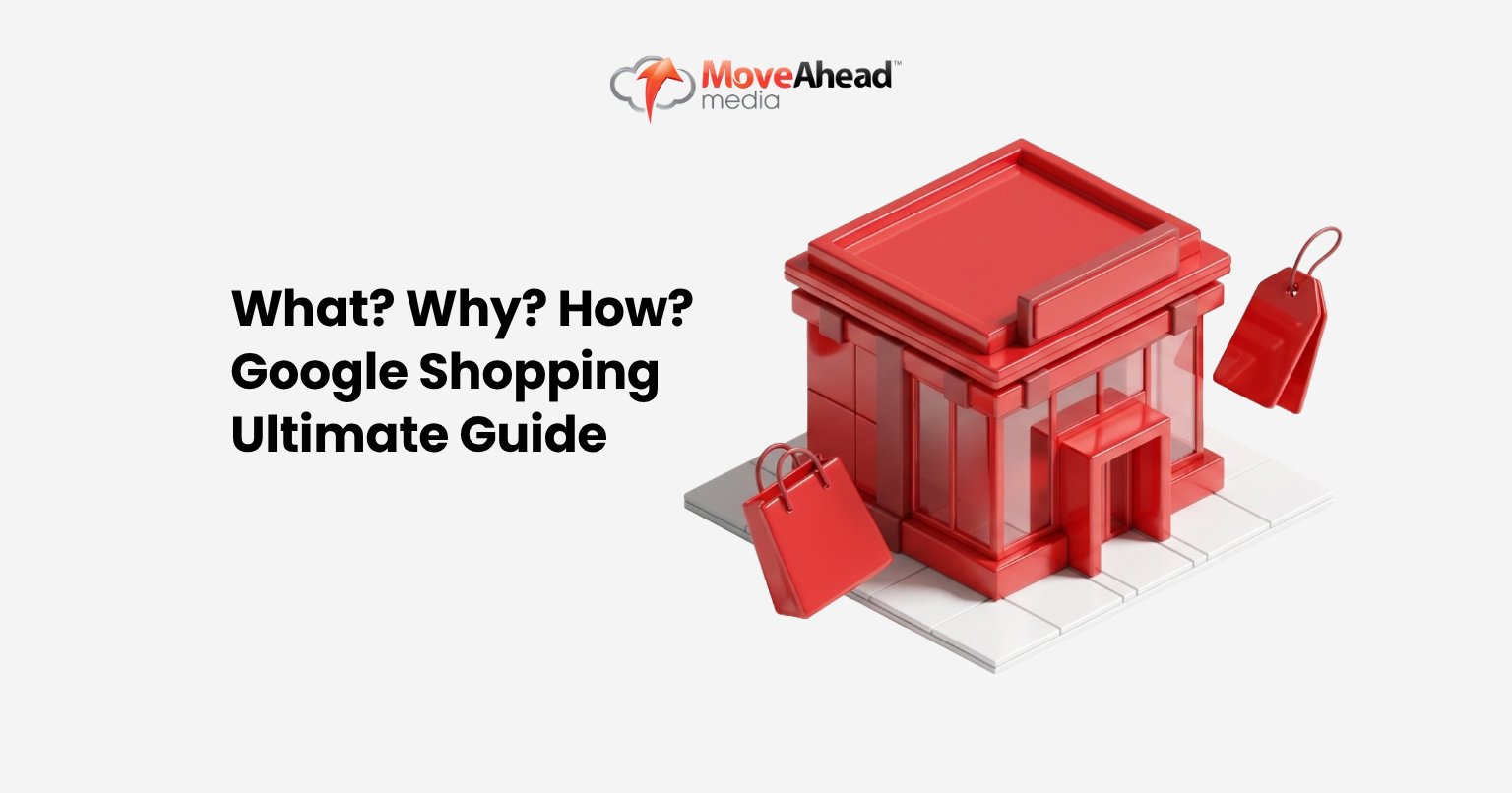
Navigating the competitive world of online retail requires a strategic approach to how visibility works, why it’s important, and what you can do to improve your likelihood of success. For brands looking to place their products directly in front of potential buyers, understanding Google Shopping ads is essential.
By understanding the fundamentals of modern search marketing, businesses can transition from traditional text listings to highly engaging, visual placements that display prices, images, and brand details at the same time, making them a much more compelling alternative.
This comprehensive Google Shopping guide explores how visual listings can transform your online performance and drive targeted traffic directly to your virtual store.
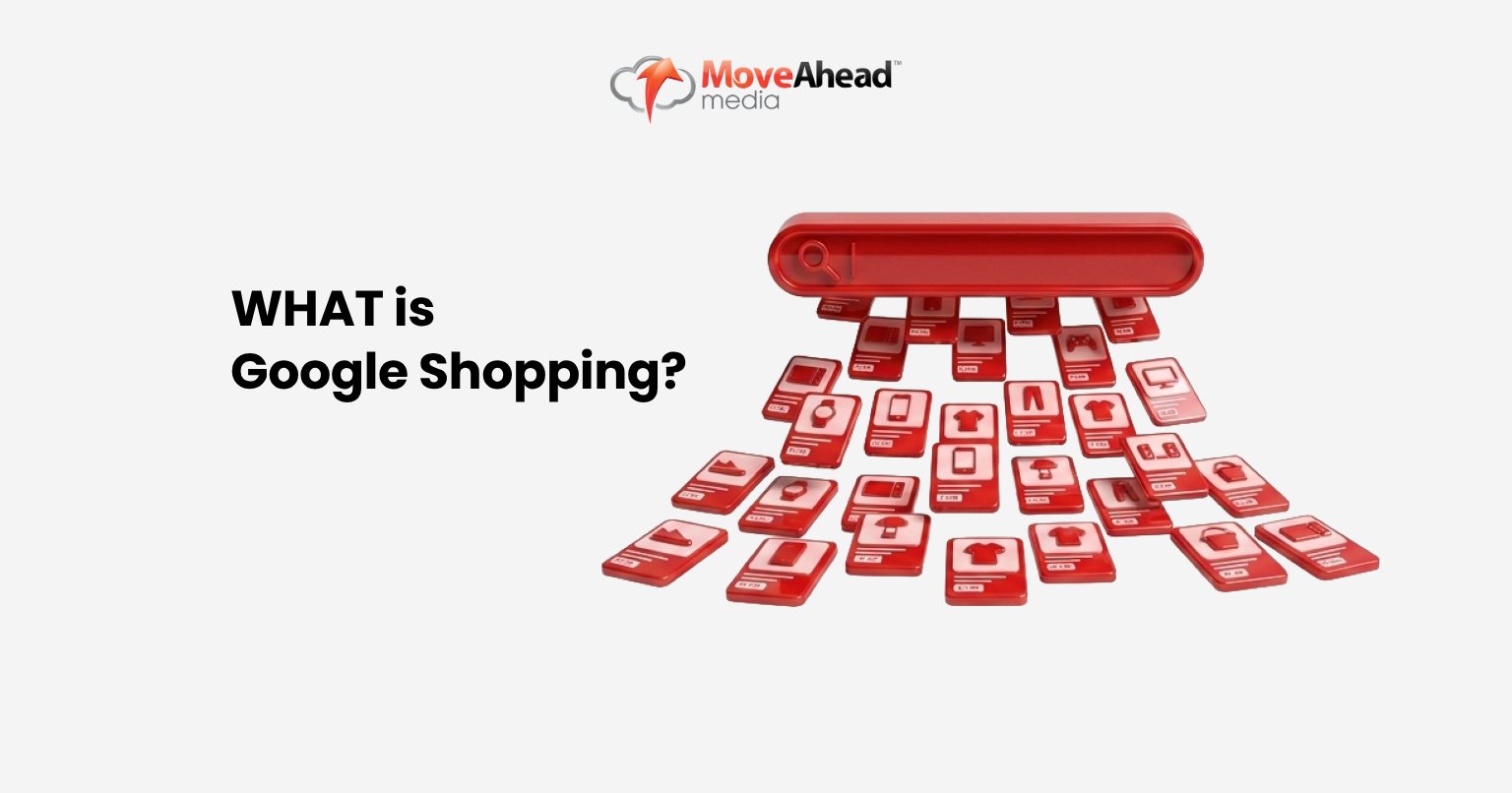
WHAT is Google Shopping?
In simple terms, Google Shopping is a platform that acts as a digital storefront. It naturally integrates directly into the typical search experience, placing actual product photographs and current prices right at the top of the results pages. This clear visibility means when a consumer searches for a specific item, they don’t just read plain text, but can interact with a live, visual marketplace designed to drive measurable engagement, whether that’s clicks, inquiries, or purchases.
However, Google Shopping relies on a continuous, accurate data feed. This search platform automatically analyses your inventory data to match your products with active user queries. Because consumers see the exact image and price before clicking through, the traffic arriving at your website is well-qualified and much better at driving users towards a final buying decision. For any modern retail brand, mastering these highly visual product listing ads or e-Commerce Google Ads is a powerful skill for securing views and engagement in an increasingly competitive space.
WHY Your Thai eCommerce Store Needs It
The digital retail space here is expanding and evolving at a rapid pace. Thai consumers are notoriously mobile-centric and highly visual shoppers who value immediate, seamless buying journeys. They heavily prefer scrolling through a curated gallery of visual items over reading lengthy, text-heavy links on smaller phone screens.
Launching dedicated shopping ads in Thailand will help your brand capture this audience. It allows local businesses to showcase their inventory exactly at the moment of highest buying intent. Whether someone is searching for high-fashion clothing in Bangkok or tech items in Australia, these highly visual ‘store windows’ stand out significantly on mobile devices.
To fully capitalise on this interest, we’d recommend integrating your paid strategy with advanced eCommerce SEO strategies to create a well-rounded digital approach that engages both paid and organic traffic. In simple terms, transitioning a portion of your marketing budget to Google Ads e-Commerce audiences ensures your brand remains competitive in a fast-paced market, without being at the expense of your hard-earned organic traffic.
HOW to Set Up Google Shopping Ads
Setting up a campaign is straightforward. The initial stage of the process requires a complete Google Merchant setup, which functions as the central store for your product inventory. Within this hub, you will upload your product feed, which is a meticulously structured file containing all your product names, descriptions, pricing data, and live image links.
Next, you connect your inventory. Once your database is approved, you link it directly to your Google advertising account to handle the actual shopping ads setup process. From the main advertising dashboard, you can construct a new campaign, set your daily spending caps, and choose your bidding strategy.
Managing these PPC shopping campaigns requires constant supervision, at least at first, to ensure your product data remains completely accurate, as any pricing discrepancies will result in immediate campaign suspension.
Pro Tips from Our PPC Experts
Ads optimisation requires continuous refinement. To successfully optimise shopping ads, your primary focus should always begin with product title optimisation.
Search algorithms rely heavily on the first few words of your titles, so remember to place your most crucial details, such as your brand name, material used, and specific sizes, at the front of the text string.
Visual assets must be perfect. Always use high-resolution, professional images with clean white backgrounds, as cluttered imagery drastically lowers click-through rates.
Additionally, make use of negative keywords within your ad group management to prevent your Google Shopping ads from displaying for irrelevant searches.
Regularly auditing your performance data allows you to allocate more budget to top-performing items while pausing underperforming products that fail to convert.

Let Us Handle Your Campaigns
Developing an online strategy demands time. For busy business owners, trying to stay ahead of algorithm changes can quickly become overwhelming. Partnering with a dedicated agency ensures your budget is used efficiently to drive business growth.
Fortunately, our team creates data-driven PPC campaigns. We handle everything from complex backend technical troubleshooting and feed optimisation to strategic bid adjustments and performance reporting. By trusting your brand to our specialists, you gain access to professional Google Ads management designed to maximise visibility.
Let us transform your retail brand into highly profitable Google Shopping ads that consistently outperform your industry competitors.