
The word SEO has probably been drilled profusely into your mind, and naturally, when that happens, it can become something you either feel excited about or dread (we hope it’s the former). After all, it’s fantastic to see so many businesses getting into the trenches of technical SEO implementation, but there’s an equally important element that is often overlooked: the content that holds your strategy together. Or even simpler, your SEO content strategy.
If you’re sitting there wondering what on earth that is, you’re exactly where you need to be. Today, we’ll walk you through the importance of content and how you can create something that is both highly cited and impactful to your audience.
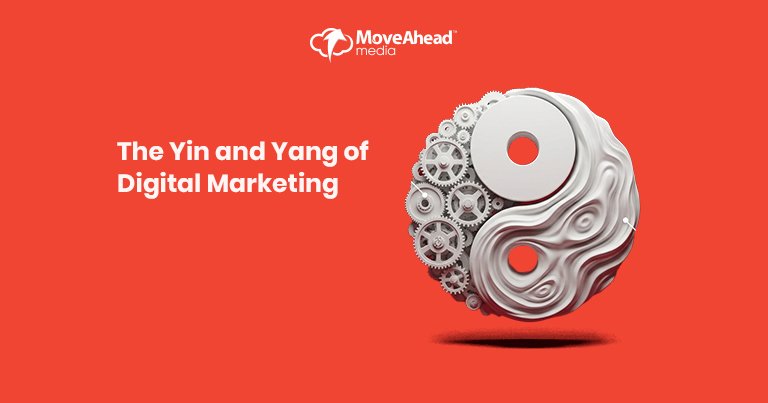
The Yin and Yang of Digital Marketing
Content and SEO work best when their goals are aligned, piggybacking off each other as the ‘yin and yang’ of digital marketing. Sure, you could channel all your efforts into beautiful storytelling that triggers oxytocin and dopamine to build a real human connection. But if no one can find your website or blog, then you’re the only one appreciating it.
The purpose of digital marketing is to get found by the people who value your brand. Either you’re the solution to their problems, or they’ve stumbled upon your product and suddenly realised a brand-new need. It’s a wondrous thing – digital marketing – and SEO content marketing is how you galvanize it into something your audience is eager to connect with.

Why SEO Needs Content (And Vice Versa)
But why exactly does SEO require great content, not just average content you’ve strung together on a whim? SEO is the technical hand of your strategy; your keywords, backlinks, and site optimisation that make your brand worthy of being in the spotlight. Indeed, you’re showing up on Google’s first page, or your blog may be an answer to a very specific question that your audience asks.
Now, let’s imagine for a second that your audience clicks on your link and is greeted by a robotic, slightly overwhelming wall of text that reads as though no thought has been put into it. Will they stay? Or, let’s toss out the hypothetical: Would you stay? Probably not. You’d click away in frustration and move along with your day, leaving them with nothing but a fleeting click metric and a spiked bounce rate. This is why your SEO writing strategy matters. And if your marketing team is insisting it doesn’t, maybe it’s time for that meeting – the one where you go through the numbers and realise something’s not working (spoiler: it’s the content!).
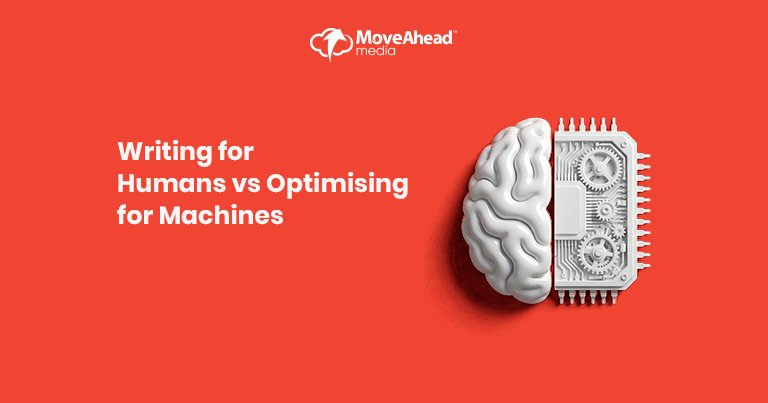
Writing for Humans vs Optimising for Machines
We’d go as far as to say that connection is unequivocally the most important thing in the entire world. Even in the corporate world, which is sometimes coiled with jargon and unimaginative scripts, the goal has always been human connection. Yet, when it comes to digital marketing, so many brands forget this entirely.
They get so consumed with trying to gratify the search engine bots that great storytelling is replaced by rules and patterns that most people simply don’t resonate with.
If we’ve made you question your digital content strategy, then we’ve done our job (you should be evaluating it regularly). But don’t panic just yet – you don’t have to choose between the two; you can write stories that connect with your readers while dropping enough breadcrumbs for search engines to find you.
In fact, Google’s algorithms are now actively trained to mimic human behaviour, which means they’re looking for the same things your audience is. We know…things are getting so advanced it can feel a bit intimidating, but take it as a riveting opportunity to do better.
How E.E.A.T Validates Your Content’s Value
We can spend hours discussing why great content matters, but when you’re investing in SEO, your ultimate marker of success is whether Google deems your brand worthy of the spotlight. That’s the heart of it. To get there, you need to understand the E.E.A.T framework, so you can see exactly how Google judges the validity of your content.
Here’s what it stands for:
- Experience Google looks for experience. Nobody wants to cite a blog that echoes the same old information with no unique perspectives.
- Expertise Does your content reflect the erudite authority of someone who deeply knows their industry? Google is fair – it rewards content with deep knowledge and insights.
- Authoritativeness Credibility is everything, and it should extend far beyond your own website. When other industry leaders start citing your work, Google pays attention.
- Trustworthiness You’ve heard the saying: if you don’t have trust, you don’t have anything. That’s not dramatic; it’s an algorithmic fact (just ask Google). Your content should be backed up by reliable sources.

Creating a Seamless Content Strategy in Thailand
Many marketers treat SEO and content writing as two separate entities. You might have a massive SEO department and a creative content team, but they’re sitting on opposite sides of the office. You walk by each other, and instead of discussing your strategies, it’s just a polite nod in the hallway.
But in a digital landscape as fiercely competitive as Thailand’s, the visions of both teams must align. SEO and content are attuned to each other – one leads the conversation, and the other ensures your audience is thoroughly engaged. This is precisely how you create a seamless SEO content strategy for your business.
Leave the Storytelling to Move Ahead Media
If you’ve embraced the SEO maze and all of its intricacies, but still aren’t able to captivate your audience, we’re here to help. Our team of content creation experts write for people first, while taking into account the technical necessities to keep search engines enamored.
Are you an entrepreneur trying to get your website to drive revenue? We can help.
To create a content calendar of your own, download our SEO Content & ROI Checklist today, for expert guidance on how to get the most out of your website and content.