Generative AI in Google Ads is like having a robot sous in a high-end commercial kitchen. Yes, it can chop, sauté, and prep at a speed no human can match, but it has absolutely no idea what a ‘delicious’ meal tastes like – which is why you need a Master Chef running the pass.
If you feed the machine average ingredients, vague keywords, and bland creative, you’re going to get an average result. And in 2026, ‘average’ is a congested road to nowhere.
The secret to a successful PPC performance strategy is knowing how to use these automations to serve a five-star result to your customers. Chef’s Kiss.
From PMax optimisation to AI creative testing, the tools have changed significantly, but the goal remains the same: delivering the right message to the right person at the exact moment they crave it.
Here are the nine tools that are redefining the menu this year…
1. The Evolution of Performance Max (PMax)
Ad automation updates on Google are perhaps most visibly seen on Performance Max (PMax) campaigns. It’s an all-in-one campaign type that lets you access Google’s full ad inventory from a single, goal-based campaign.
While PMax was once seen as a ‘black box’ of sorts, offering very little in the way of control, that is rapidly changing. As we venture further into 2026, its evolution is focused on providing more strategic control while enhancing its automation:
- Smarter Audience Signals: The AI is becoming more adept at using your audience signals (like customer lists) to find new, high-converting customer segments. Effective PMax optimisation is about feeding the machine high-quality strategic inputs.
- Greater Reporting Transparency: Google is providing more granular insights into which assets and channels are driving performance, thus helping you better understand what’s working so you can double down on effective creative.
- Enhanced Brand Suitability Controls: Businesses can now implement stricter brand safety settings and negative keywords at the account level, giving you more confidence that your ads will appear only in appropriate contexts.
Today, PMax is for more than just e-commerce. It’s a versatile tool for lead generation, brand awareness, and local foot traffic for businesses all over Thailand.
2. Automatically Created Assets (ACA): Pros and Cons
Automatically Created Assets (ACA) is a powerful feature where Google’s AI generates headlines and descriptions by scanning your landing pages. This is a core component of AI ad optimisation, but it takes careful management.
The Pros:
- Speed and Scale: ACA allows for rapid AI creative testing. It can generate hundreds of ad variations to find the winning combinations far faster than any human could.
- Discovery of New Angles: The AI might create a headline from your landing page content that you hadn’t considered, uncovering an effective new marketing angle.
The Cons:
- Brand Voice Dilution: The AI doesn’t understand your brand’s personality and can generate copy that is generic and tonally off-brand.
- Risk of Inaccuracy: The AI might pull an out-of-context phrase from your website, creating a misleading or confusing ad, which demands vigilant human management.
The solution is not to disable ACA altogether but to manage it well. Provide the system with a strong foundation of human-written assets, regularly review the AI-generated ones and you can get the benefits of automation without sacrificing your brand integrity.
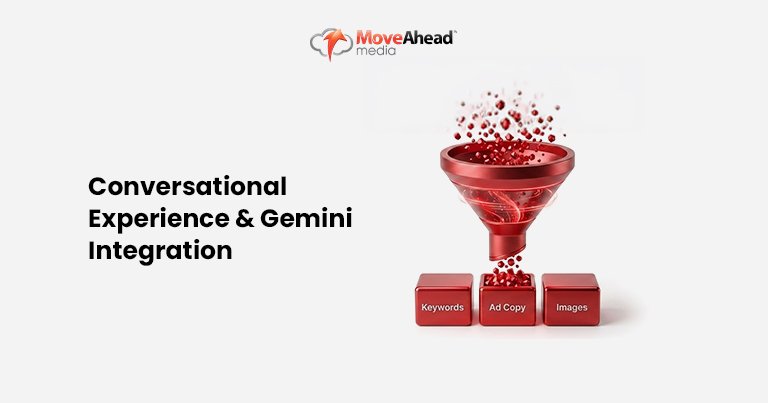
3. Conversational Experience & Gemini Integration
Google is integrating its most powerful AI model, Gemini, directly into the Google Ads interface to create a conversational campaign-building experience.
Rather than manually building campaigns, you will be able to simply have a conversation with an AI campaign assistant. For example, you could ask the AI to: “Create a lead-generation campaign for a Bangkok law firm targeting corporate legal searches, using a professional tone and highlighting our 20+ years of experience.”
The AI would then generate a complete campaign structure, including suggested keywords, ad copy, and even imagery. This Gemini ad automation will drastically reduce the time it takes to launch sophisticated campaigns, thus freeing you up to focus on high-level strategy as opposed to the tedious setup.
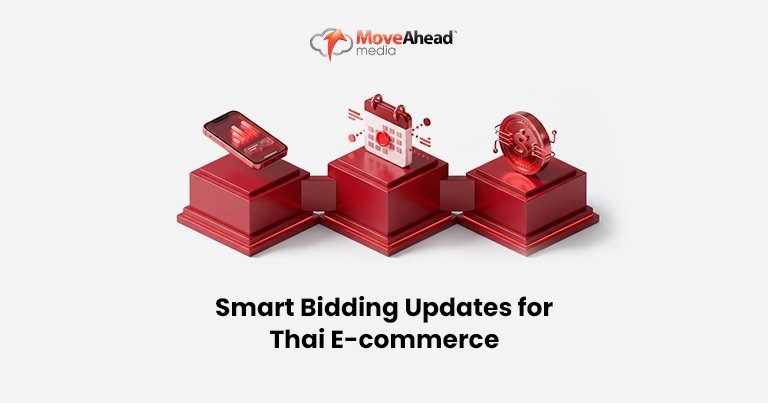
4. Smart Bidding Updates for Thai E-commerce
For businesses who are creating Thai e-commerce ads, AI-powered Smart Bidding is essential. Standard bidding strategies often struggle with the complexities of modern local consumer behaviour. The new generation of AI bid optimisation is now far more attuned to local market nuances.
The AI can now better process and act on signals unique to the Thai market, such as:
- Device-Specific Behaviour: It understands the mobile-first nature of Thai shoppers and can adjust bids based on a user’s likelihood to convert on a smartphone.
- Peak Shopping Seasonality: The algorithm predicts and adapts to demand surges around major events like the 11.11 sale or Songkran, so your budget is maximised when buying intent is highest.
- Payment & Delivery Preferences: The AI can learn to prioritise users who have shown a preference for popular local payment methods like Cash on Delivery or Bank Transfer, leading to a higher conversion rate.
This intelligent automation will keep your ad spend working as efficiently as possible for you, driving down your cost-per-acquisition. If you are serious about succeeding in today’s e-commerce marketing, embracing these tools is non-negotiable.
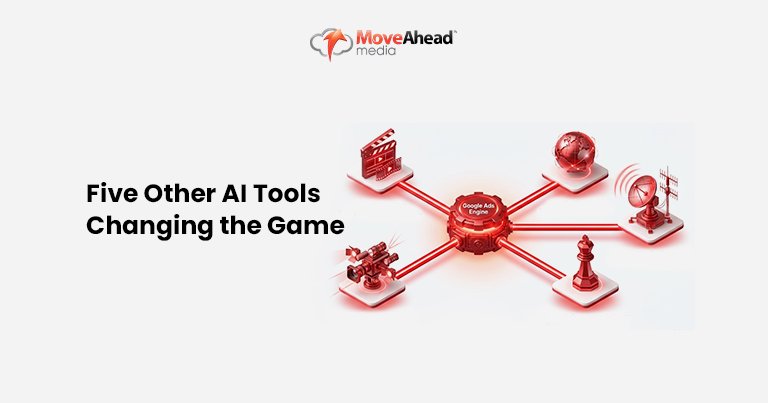
5. Five Other AI Tools Changing the Game
Aside from the major platform updates, there are several other AI PPC tools and features that are changing how we advertise:
- AI-Powered Video Creation: Tools within Google Ads can now automatically create simple video ads using your existing images, text, and logos, making it easier than ever to get your brand on YouTube.
- AI Localisation for Ads: For businesses in tourism hubs, AI localisation ads are transformative. The AI can dynamically translate ad copy into multiple languages based on a user’s browser settings, connecting you with international tourists in their native tongue.
- Predictive Audiences: AI can now identify users who are likely to convert in the future. It analyses data points to build predictive audiences, empowering you to target high-potential customers before your competitors.
- Google Product Studio: This feature uses generative AI to help e-commerce businesses create professional product imagery without expensive photoshoots. You can instantly remove a background or generate lifestyle scenes for your products which is a revolution for AI ad creatives.
- Strategic AI Ad Recommendations: The ‘Recommendations’ tab is now being trained to provide more strategic advice like identifying new keyword opportunities or suggesting A/B tests for landing pages.
Why You Still Need a PPC Expert
This level of incredible automation doesn’t make human expertise obsolete. On the contrary, it makes it more strategic than ever before. The role of the expert is shifting from manual tasks to high-level direction that an AI simply cannot replicate. In the words of HubSpot CMO Kipp Bodnar: “The future of AI isn’t human vs AI – it’s human with AI.” In practice, this means combining machine efficiency with human insight and strategy to ensure your ad spend yields maximum revenue.
An expert PPC management team is indispensable because they:
- Define the Strategy: AI is a tool. It must be aimed at the right target. We work with you to understand your business goals and set the strategic direction that guides the AI.
- Provide High-Quality Inputs: The performance of any AI is limited by the quality of its data. We provide the AI with expertly crafted ad copy, images, and optimised audience signals so it has the best possible foundation.
- Interpret the Data: The AI can show you what happened, but a human expert can tell you why it happened and what to do next. We analyse performance data within the context of your business, identifying opportunities the AI would indeed miss.
- Creative Oversight and Brand Protection: We act as the guardian of your brand, so every AI-generated asset aligns with your voice and values and serves your long-term business goals.
AI is a powerful tool, but it needs a skilled professional to guide it. Our Google Ads services combine the latest technology with decades of human expertise to deliver real, measurable results for your business.
Generic AI is fast food in a fancy box. It’s cheap and cheerful, but it’ll leave your bottom line starving. If you want a strategy that feeds your growth, you need a partner who knows how to prep the data and plate the results. Contact our team in Bangkok today to get started.
Interested in learning more? Here are some additional resources: