Launching a new business is expensive enough as it is without wasting months on the wrong marketing channel… Most startups don’t have an endless runway. They need enquiries, booked calls, and sales coming through today.
This is the biggest talking point in the SEO vs SEM debate; it’s less a marketing discussion and more a financial decision.
Do you invest in long-term organic growth, or pay for immediate visibility while your business gains traction? The answer depends entirely on how quickly you need results – and how efficiently your budget needs to work.
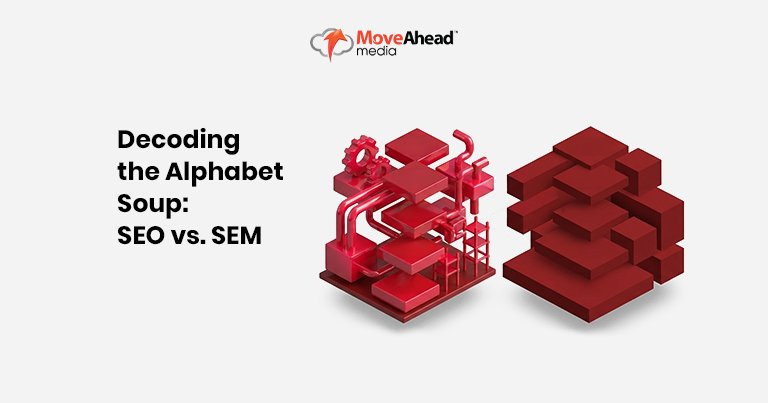
Decoding the Alphabet Soup: SEO vs. SEM
The problem is that SEO and SEM solve different business pressures. A solid startup marketing strategy relies on knowing exactly what you are paying for.
- SEO (Search Engine Optimisation) Traffic is earned through relevance and authority, not ad spend. You invest time and expertise to rank naturally for commercial terms.
- SEM (Search Engine Marketing) This typically refers to paid search advertising. You buy your way to the top of the search results, paying every time someone clicks your ad.
When evaluating organic vs paid channels, the distinction is beautifully simple: SEO earns attention over time. SEM buys visibility immediately.
The Slow Burn vs. The Quick Win

Why Thai Startups Need Fast Cash Flow (SEM)
A new business rarely has the luxury of waiting quietly for organic traffic. If you are a Sydney-based electrician needing leads this week, or a new eCommerce brand testing products, you need customers with immediate purchase intent. Cash flow dictates survival.
This is exactly where SEM for startups shines. Platforms like Google Ads put your business in front of buyers at the exact moment they are actively searching for a solution.
Investing in immediate paid search advertising delivers:
- Speed to Market Your campaigns go live and appear at the top of search results within hours.
- Targeting Precision You dictate exactly who sees your ads, filtering by postcodes, search terms, and schedule.
- Measurable Spend The data is unambiguous. You see precisely which clicks turn into enquiries and which keywords are wasting money.
For an early-stage company running Google Ads, this provides the quick traction necessary to fund ongoing operations.
Building Long-Term Authority in Your Niche (SEO)
SEO for startups can feel frustrating early on because the payoff is gradual. It requires patience. But over time, it often becomes the cheapest acquisition channel.
Consider a financial advisory or a specialist medical clinic. In high-trust industries, many users still gravitate toward strong organic listings. They inherently trust Google’s algorithm to present the most credible options.
Building long-term SEO strategies serves a distinct commercial purpose:
- Brand Trust Ranking organically signals industry authority to potential buyers.
- Lower Ad Dependency As your organic visibility grows, you rely significantly less on paid clicks to keep your sales pipeline full.
- Defensibility It is difficult for new operators entering crowded industries to instantly replicate years of earned organic authority.

Budgeting for Growth: What Makes Sense for You?
Allocating a search marketing budget requires brutal honesty about your current financial reality:
- If cash flow is tight and sales are inconsistent Short-term lead generation usually matters more than long-term rankings. Prioritise SEM to get the phone ringing now.
- If you are bleeding money on ads Look closely at your data. Campaigns generating clicks without conversions need immediate attention. You may need to shift focus toward high-intent organic keywords instead.
- If your team is stretched Trying to manage complex search campaigns in-house often leads to poor-quality traffic. Be realistic about what you can execute internally versus what requires a specialist partner.
Why Not Both? A Holistic Marketing Strategy with MAM
The smartest digital marketing startups and established Thai SMBs rarely view this as an “either/or” scenario. The most profitable approach uses both in sequence.
You use SEM to secure enquiries today. More importantly, you use it to test exactly which keywords actually turn into paying customers. Once you identify those high-converting terms, you feed that precise conversion data into your SEO strategy.
SEM validates the market; SEO compounds the returns. Eventually, as your organic visibility rises for those proven keywords, you can reduce your ad spend and drastically improve your profit margins. If SEO is the right long-term channel for your startup, our SEO services in Bangkok can help turn that investment into sustainable organic visibility and lead generation.
Executing this dual strategy requires continuous data analysis and a calm, methodical approach. As a Google Premier Partner and Meta Business Partner, Move Ahead Media provides the strategic guidance to make your budget work intelligently.
If you need a clear, actionable strategy, Get in touch for a free digital marketing audit. Let us map out the right path for your business.